


Walk in Their Shoes: A First-Hand Account of Empathy in Caregiving Training
- Stacey Reeve
- Feb 23, 2025
- 4 min read

In caregiving, empathy is not just a skill; it is the heart of compassionate care. The ability to genuinely understand another person's experiences and emotions can drastically improve how care is provided. Recent caregiving training programs increasingly spotlight this vital concept. The stories that emerge from these training experiences have the power to inspire and enlighten us all.
In this post, we will share firsthand accounts from a recent caregiving training program that focused on putting empathy into action. As we explore the significance of empathy in caregiving, we will encounter powerful stories that reflect the real-life challenges and triumphs of caregivers.
The Importance of Empathy in Caregiving
Empathy serves as the cornerstone of effective caregiving. It allows caregivers to form deeper connections with clients, nurturing trust and understanding. According to a study from the Journal of Palliative Medicine, caregivers who demonstrate high levels of empathy report a 75% increase in job satisfaction. This vital skill benefits not only those receiving care but also enriches the caregiver's experience.
Training programs that emphasize empathy provide caregivers with essential tools and techniques. Through role-playing scenarios, lively discussions, and reflective listening exercises, caregivers learn to communicate with heart and intention, ultimately fostering a more supportive environment for their clients.
A Personal Journey in Role-Playing
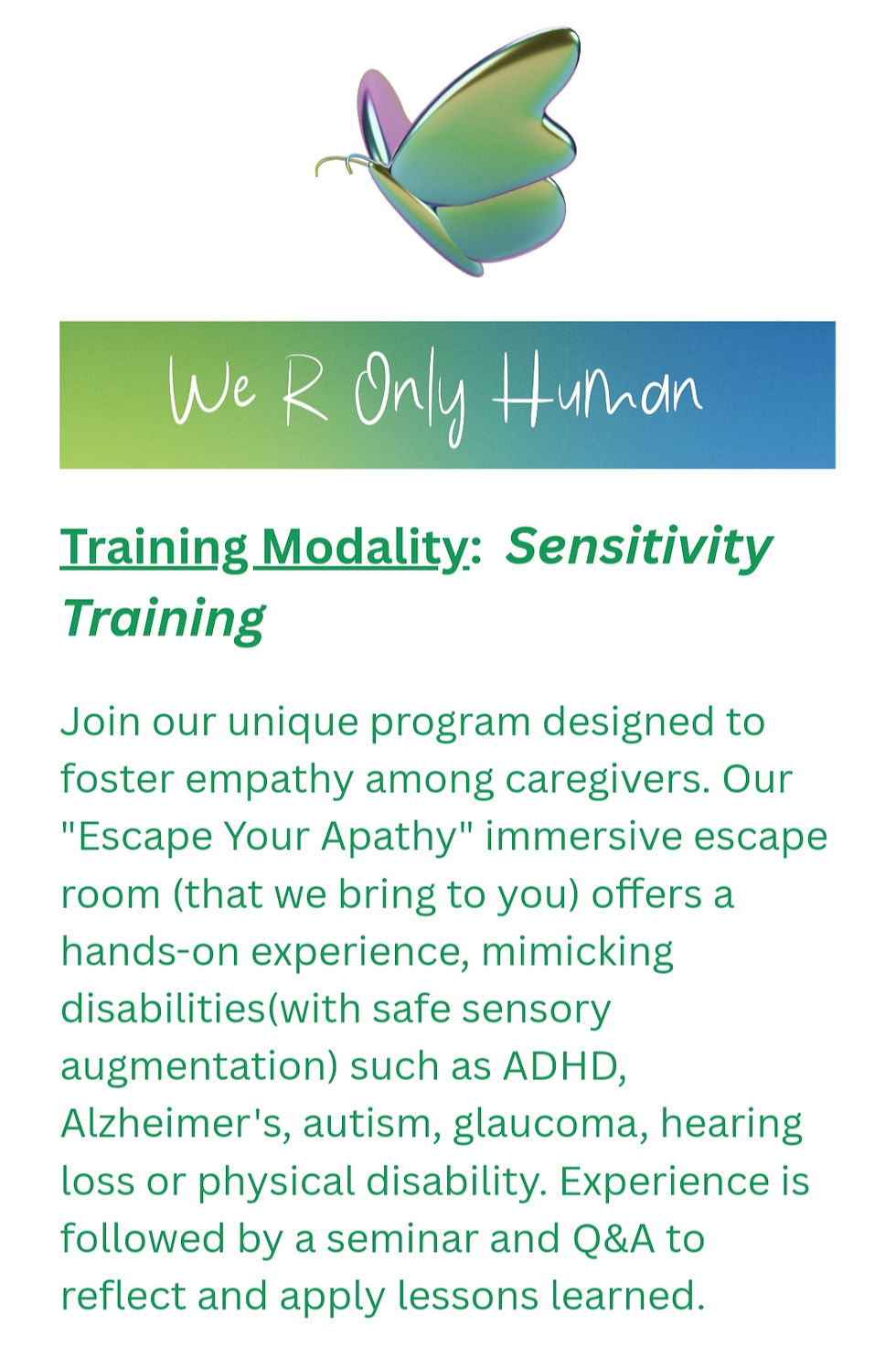
During a recent training session, a participant recounted a transformative role-playing exercise. She was tasked with simulating the experience of caring for an elderly individual with advanced dementia. Using glasses that blurred her vision and gloves that reduced her tactile sensitivity, she stepped into the world of her care recipient.
This immersive experience forced her to confront the immense frustration and confusion that often accompanies cognitive decline. For the first time, she understood the challenges her clients faced. This eye-opening exercise underscored the critical need for patience and understanding in caregiving—two qualities that can truly change the nature of care.
Connection Through Storytelling
Another participant shared her experience in group discussions that we have designed to promote discussion.
One particular account resonated deeply: a younger caregiver described her relationship with a terminally ill patient.
With her genuine storytelling, she conveyed to the group the significance of comforting the patient by actively listening to their emotional needs rather than concentrating exclusively on medical needs. This understanding reinforced the notion that caregiving transcends physical assistance; it's about establishing emotional connections.
By sharing personal experiences, participants create a sense of community, reinforcing how empathy enhances care quality while also supporting the well-being of caregivers.
Embracing Vulnerability
A recurring theme in training accounts was the transformative power of vulnerability. Participants were encouraged to share their feelings, fears, and challenges that they experienced. One caregiver spoke candidly about feeling overwhelmed by caregiving demands.
Rather than hiding these emotions, the training fostered open dialogues that evoked empathy and compassion among peers. This sharing process helped the caregiver feel less isolated and inspired others to bring their struggles into the light. By acknowledging shared vulnerabilities, the caregivers built a supportive atmosphere that facilitated learning and personal growth.
Programs that encourage vulnerability help caregivers develop stronger empathetic connections with their clients. By relating their own experiences to those they serve, caregivers can elevate the level of care they provide.
Developing Empathy Through Active Engagement
Active engagement formed another crucial aspect of the training. Participants took part in interactive exercises that simulated real-time caregiving scenarios. One exercise involved observing a video of a scenario through the eyes of a dementia patient. Participants then discussed the emotions exhibited and how to respond empathetically.
This hands-on practice was invaluable. It taught caregivers to hone their skills in recognizing and responding to the emotional and psychological needs of their clients. Notably, nearly 80% of participants reported feeling better equipped to meet those needs after these exercises. Empathy isn’t just about understanding; it also includes being responsive—an essential aspect this training sought to enhance.
The Ripple Effect of Empathy
The benefits of enhanced empathy extend far beyond individual interactions. Participants reported that cultivating an empathetic mindset not only transformed their caregiving approach but also improved their personal lives and relationships. Many expressed feeling more connected to friends and family as a direct result of applying lessons learned in training.
Research shows that developing empathy can lead to a 50% increase in overall life satisfaction. Ultimately, empathy fosters improved understanding and communication. It is a universally applicable skill that enriches both professional and personal relationships.
By nurturing empathy in caregiving, we enhance the lives of those around us—and ourselves—by gaining a deeper understanding of the human experience.
Embracing a Culture of Empathy
The accounts from the caregiving training program demonstrate how vital empathy is for creating meaningful connections. From transformational role-playing exercises to the art of storytelling and active engagement, caregivers are equipped with powerful experiences that reinforce their ability to connect with clients on a deeper level.
In a field where caregiving can feel mechanical, it’s crucial to remember the human aspect of this profession. By embracing empathy, vulnerability, and understanding, we not only enrich the lives of those we care for but also enhance our satisfaction and well-being in caregiving roles.
Through authentic stories and firsthand experiences, empathy becomes more than a theoretical concept; it transforms into a practical tool that can change lives. Together, let’s walk in their shoes.


Comments